
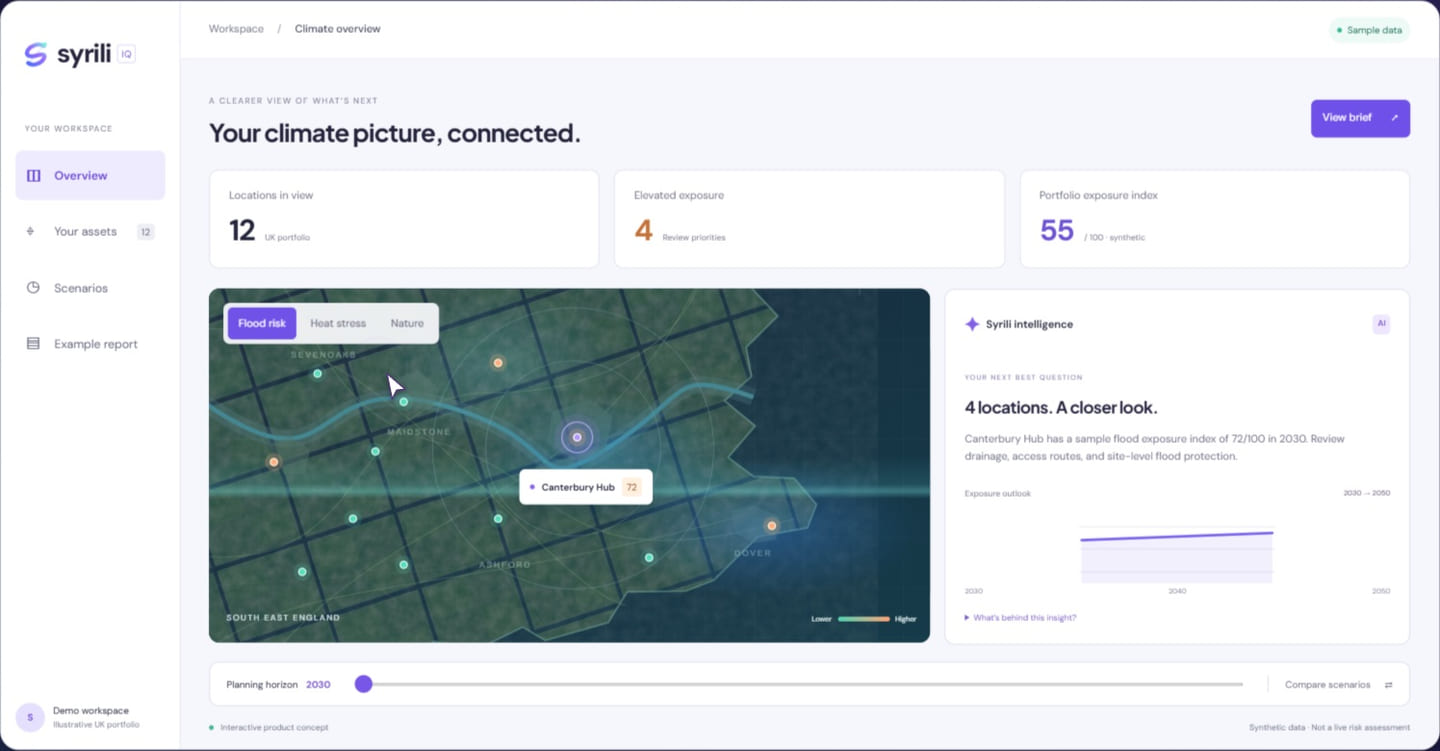
Generative AI can make a long document easier to navigate, but fluent writing can also make an unsupported statement sound authoritative. In a climate workflow, the distinction matters. A summary should help a reader understand evidence, not replace the need to inspect it.
Connect claims to source material
Retrieval can provide a model with relevant passages, but retrieving a document does not prove that every generated sentence is supported by it. Check whether a citation actually backs the claim, whether the passage is current, and whether its scope matches the question. Keep source titles, dates, and links available to the reader.
Preserve the qualifications
Technical evidence often contains conditions: a result may apply to a particular region, model, period, or scenario. A shortened explanation can lose those conditions while retaining the headline finding. Evaluate summaries for omitted caveats as well as factual errors. A shorter answer should not become a stronger claim than the source allows.
Design for correction
Give users a way to inspect the underlying material, identify a mistake, and reach a person when needed. For exact business details such as contact information, structured retrieval can be more dependable than generating the value from scratch. Use generation where it adds useful explanation, and direct retrieval where precision matters most.
Three things to take away.
- A retrieved source does not automatically validate a generated claim.
- Keep scope and qualifications attached to summaries.
- Use structured facts for exact values.
Further reading
Explore the underlying topics through these reference sources.